One of the most common questions homeowners ask before starting work is simple:
“Do I need a building permit for this?”
In Ontario, many projects require a permit even when the work looks minor. Starting construction without one can result in stop-work orders, delays, fines, or costly corrections later — especially during resale, financing or inspection.
This article explains when a permit is required, when it usually is not, and why misunderstandings are so common.
When a Building Permit Is Required
In general, a building permit is required whenever work affects:
- Structure
- Fire or life safety
- Plumbing or drainage
- Heating or ventilation systems
- The number of dwelling units
Common examples include:
These requirements apply whether the work is new construction, renovation, or alteration.
- New houses
- Additions or extensions
- Detached Garages
- Sunrooms and enclosed porches
- Finishing a basement
- Creating a Secondary Suite
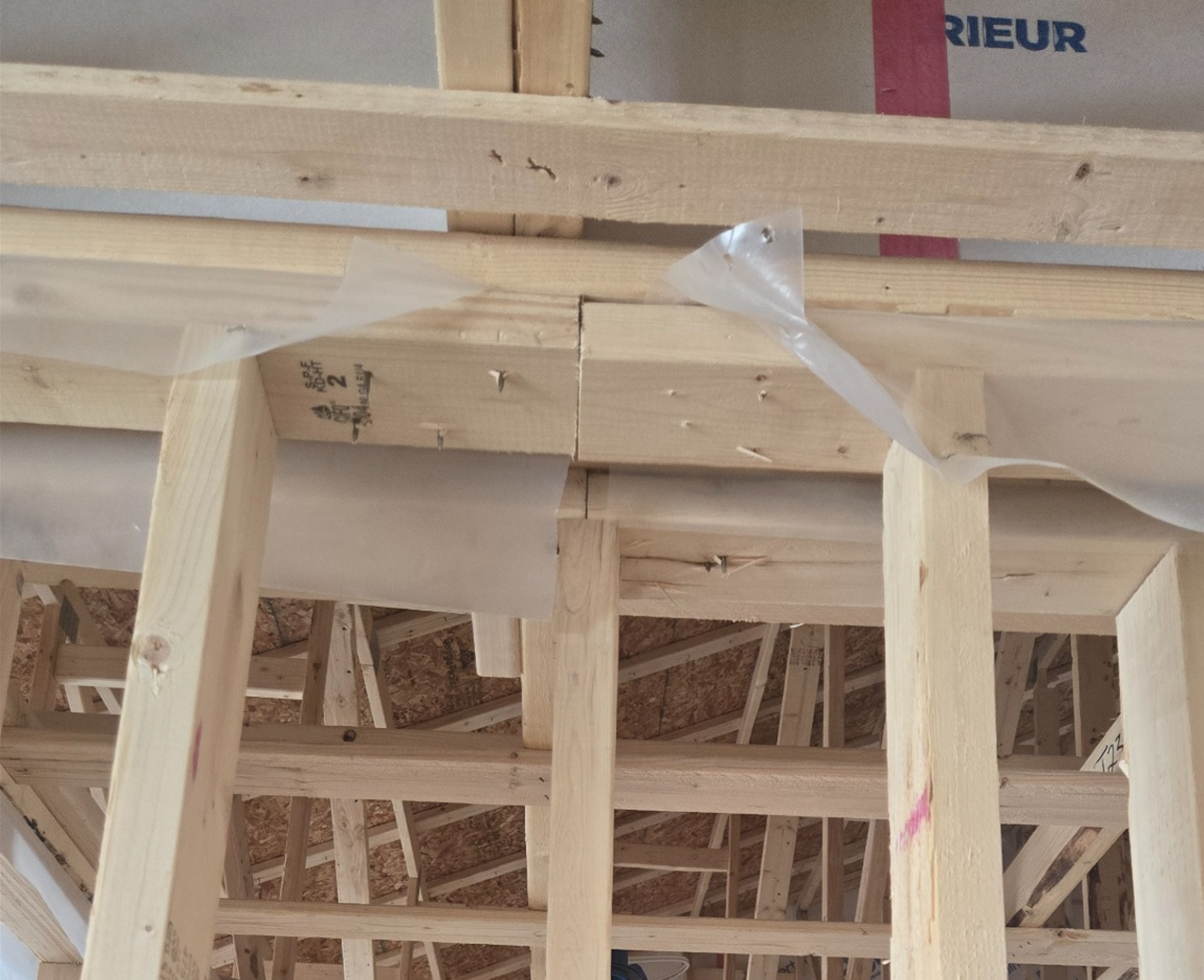
- Removing or modifying load-bearing walls
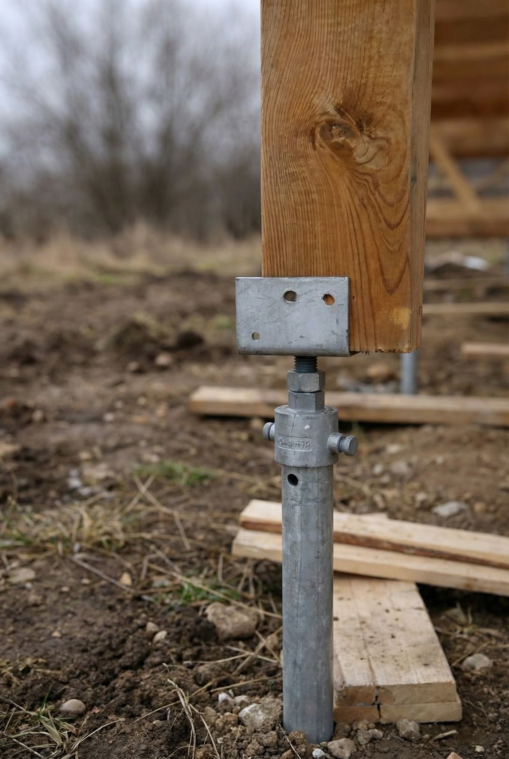
- Installing beams or columns
- Building decks attached to a house
- Structural window or door changes
- New bathrooms or kitchens
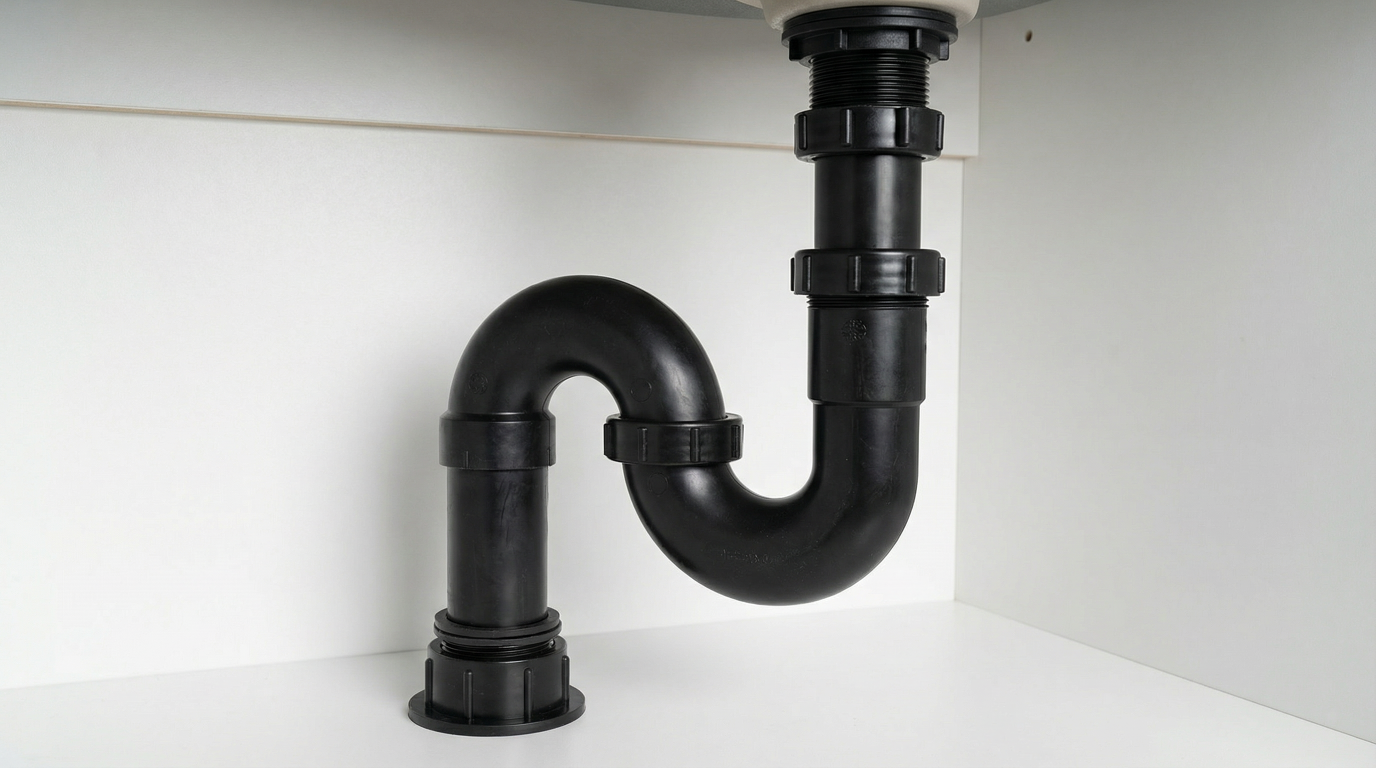
- Adding or relocating plumbing fixtures
If the work changes how the building performs or is occupied, a permit is usually required.
When a Permit Is Usually Not Required
Permits are typically not required for cosmetic or maintenance work, such as:
- Painting and decorating
- Flooring replacement
- Cabinet replacement (without plumbing changes)
- Roofing replacement using the same materials
- Replacing windows or doors without changing the opening size
Even when a permit is not required, all work must still comply with the Ontario Building Code.
If the work involves structural changes, plumbing alterations, or changes to fire separations, a permit may still be required even if the work appears cosmetic.
Why Homeowners Get This Wrong
Most permit issues happen because:
- Contractors say a permit is “not necessary”
- The work looks minor or hidden
- The house is old and already non-conforming
- Work is done in stages without review
- Homeowners assume permits are optional
A project does not become exempt just because it is common.
What Happens If You Build Without a Permit
Unpermitted work can result in:
- Stop-work orders
- Mandatory inspections after the fact
- Removal of finished work
- Engineering reports at the owner’s expense
- Delays during property sale or refinancing
- Insurance coverage issues
Fixing unpermitted work often costs more than doing it correctly the first time.
How to Know for Sure
Before starting work:
- Contact your local Building Department
- Clearly describe the scope of work
- Ask whether a permit is required
- Confirm inspection stages
This step alone prevents most problems.
Many municipalities can provide this information by phone or email before work begins.
Key Takeaway
If your project affects structure, safety, plumbing, or occupancy, assume a permit is required until confirmed otherwise.
When in doubt — ask first.
This information reflects common requirements across Ontario municipalities but should not replace confirmation with your local Building Department.
Disclaimer: This article is for general educational purposes only. Always confirm requirements with your local Authority Having Jurisdiction.